


-

Add: HeBei ShengShi HongBang Cellulose Technology CO.,LTD.
-

Email
13180486930@163.com -

CONTACT US
+86 13180486930
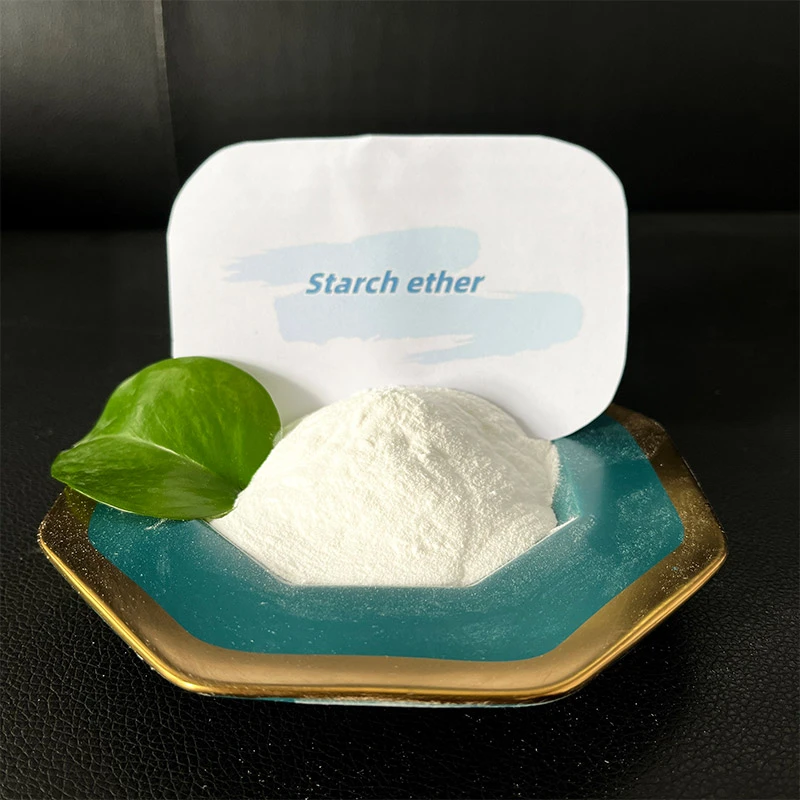


Navigating the intricacies of starch ether pricing can be a challenging task, especially for businesses relying on its unique properties for various applications. As the demand for ecologically friendly and high-performance construction materials grows, understanding the factors influencing starch ether price becomes paramount. Let’s delve into the core variables affecting pricing and provide insights to aid companies in making informed purchasing decisions. Starch ether, a modified polysaccharide, is esteemed in industries such as construction, textiles, and adhesives for its ability to improve water retention, workability, and consistency. Its usefulness across sectors makes it a commodity whose price is shaped by numerous factors. The price of starch ether is intricately tied to raw material costs, primarily the price of native starches derived from corn or potatoes. Variability in agricultural output can influence supply levels; hence, fluctuations in crop yields due to weather conditions or export-import policies in major producing countries can significantly impact prices. For instance, a poor corn harvest season can drive up the cost of base starch, which in turn raises starch ether prices. Additionally, production costs are a crucial determinant. The conversion of native starch into starch ethers involves specialized technology and chemical treatments, which require steady investment into research and development to improve efficiency and sustainability of the process. As manufacturers strive to meet environmental standards, they often invest in greener production technologies. This transition may increase operational costs temporarily, thereby affecting the price point of the final product. starch ether price Another key element affecting starch ether pricing is the prevailing demand across industries . With increasing environmental regulations encouraging the use of biodegradable and non-toxic materials, starch ether sees higher usage in applications like sustainable packaging and construction. This heightened demand can create upward pressure on prices, especially if supply doesn't scale proportionately. Emerging markets and technological advancements further contribute to the price dynamics of starch ethers. Adoption in new geographical areas or industries can drive competitive pricing, while innovations that improve functionality or application efficiency can command a premium price. Being proactive, businesses can capitalize on these advancements either through strategic partnerships or by investing in cutting-edge starch ether products that provide enhanced value propositions. Global economic conditions also play a part in pricing. Exchange rate fluctuations can alter import and export dynamics, impacting prices for countries reliant on international trade for raw materials or finished products. Tariffs and trade agreements likewise shape the overall cost structure, influencing final market prices. In conclusion, navigating the pricing landscape of starch ether requires a comprehensive understanding of multifactorial influences. Businesses can optimize their purchase strategy by closely monitoring raw material markets, staying abreast of advancements in production technologies, and being alert to demand shifts in the global arena. By prioritizing transparency and building strong supplier relationships, companies can better manage cost variables and maintain competitive advantage in their respective sectors.
- 40000tons

Production
- 20+years

Experience
- 5000+㎡

Acreage

-
Fiberglass for Concrete Mix Enhancing Strength and Durability Concrete is one of the most widely used construction materials in the world, known for its strength and versatility. However, it does have its limitations, such as brittleness, susceptibility to cracking, and overall weight. To tackle these challenges, the incorporation of fiberglass into concrete mixes has emerged as a game-changing solution that boosts performance while maintaining the same traditional characteristics of concrete. What is Fiberglass? Fiberglass, or glass fiber, is a reinforced plastic material composed of fine fibers of glass. It is known for its high strength-to-weight ratio, excellent resistance to corrosion, and impressive insulation properties. When added to concrete mixes, fiberglass can significantly enhance the material's overall performance, making it a popular choice in various construction applications. Benefits of Fiberglass in Concrete Mixes 1. Improved Tensile Strength One of the most significant advantages of incorporating fiberglass into concrete is the enhancement of tensile strength. Traditional concrete tends to be strong in compression but weak in tension, which can lead to cracks and structural failures. By adding fiberglass, the tensile strength increases, making the concrete more resistant to stress and load-bearing requirements. 2. Reduced Shrinkage and Cracking Fiberglass acts as a reinforcement that helps to minimize shrinkage during the curing process. This reduction in shrinkage translates to a decreased risk of cracking, which is often a common issue in standard concrete mixes. By effectively controlling cracking, fiberglass-reinforced concrete extends the lifespan of structures and reduces the need for repairs. 3. Lightweight Composition The lightweight nature of fiberglass compared to traditional reinforcement materials like steel means that concrete mixes can maintain lower overall weight. This can reduce the structural load on foundations while still providing the necessary strength and durability. Such lightweight composition is particularly advantageous in projects where load restrictions are critical. fiberglass for concrete mix 4. Enhanced Durability Fiberglass is naturally resistant to corrosion and chemical attack, which can often plague concrete exposed to harsh environmental conditions. By incorporating fiberglass, the resulting concrete becomes more robust against moisture penetration, temperature fluctuations, and aggressive chemicals, making it ideal for use in areas such as coastal regions, industrial sites, or places with severe weather. 5. Cost-Effectiveness While there may be initial costs associated with adding fiberglass to concrete mixes, the long-term savings are significant. The durability and reduced maintenance associated with fiberglass-reinforced concrete often lead to lower repair and replacement costs over the lifecycle of a structure. Additionally, the efficiency of construction and the potential reduction in material usage can further offset expenses. Applications of Fiberglass-Reinforced Concrete The application of fiberglass in concrete mixes spans across various sectors including residential, commercial, and industrial construction. From precast concrete products to architectural elements, such as facades and sculptures, fiberglass enhances the performance and aesthetic appeal of concrete structures. One notable application is in the construction of pavements and flooring systems. The addition of fiberglass not only improves the structural integrity but also provides slip resistance, ensuring safety in both industrial and commercial environments. Moreover, the use of fiberglass in thin overlays and shotcrete processes shows significant promise, allowing for quick application with high durability. Conclusion In conclusion, the integration of fiberglass into concrete mixes presents a wealth of benefits that significantly enhance the material's performance. Improved tensile strength, reduced shrinkage, enhanced durability, and lightweight composition make fiberglass-reinforced concrete an excellent choice for modern construction projects. As the construction industry continues to evolve, adopting innovative materials like fiberglass will be crucial in meeting the demands for stronger, more resilient, and cost-effective building solutions. By embracing these advancements, engineers and architects can create structures that not only stand the test of time but also contribute to more sustainable development practices.
-
Sự phát triển của ngành công nghiệp hóa chất đã chứng kiến sự nổi bật của một số hợp chất, trong đó HPMC E5LV (Hydroxypropyl Methylcellulose) là một trong những nguyên liệu quan trọng, được sử dụng rộng rãi trong nhiều lĩnh vực khác nhau. Với mục tiêu nâng cao hiệu quả của các sản phẩm, HPMC E5LV không chỉ là chất tạo gel hay chất gia cố mà còn thể hiện sự đa dạng trong ứng dụng và hiệu suất. Một trong những lợi ích nổi bật của HPMC E5LV đến từ khả năng tạo độ nhớt và ổn định cấu trúc trong sản phẩm. Được sử dụng chủ yếu trong ngành dược phẩm và thực phẩm, HPMC E5LV giúp cải thiện độ bền, độ hòa tan và khả năng kiểm soát dược phẩm trong ruột. Khả năng này làm nổi bật tính Expertise của HPMC E5LV, cung cấp sự tin cậy cần thiết cho các công thức viên nén, viên nang và các dạng bào chế khác. Trong ngành xây dựng, HPMC E5LV đóng vai trò như một chất gia cường cho vữa xây dựng. Nó cải thiện tính giữ nước và độ bám dính, là yếu tố quan trọng giúp các bề mặt tường, các công trình xây dựng tụ độ bền cao hơn theo thời gian. Những đặc điểm này không chỉ nâng cao chất lượng của các sản phẩm xây dựng mà còn trở thành tiêu chuẩn cho sự sáng tạo và cải tiến không ngừng. Ngoài ra, HPMC E5LV còn đặc biệt quan trọng trong ngành mỹ phẩm và chăm sóc cá nhân. Sản phẩm này giúp điều chỉnh độ nhớt và làm chất tạo màng trong các sản phẩm chăm sóc da, chẳng hạn như kem dưỡng da, gel tắm và các sản phẩm trang điểm. Sự linh hoạt và an toàn của HPMC E5LV mang lại trải nghiệm vượt trội và cảm giác dễ chịu cho người dùng cuối. Hpmc E5LV Tính chuyên nghiệp và độ uy tín của HPMC E5LV còn được chứng minh thông qua các thử nghiệm và kiểm tra nghiêm ngặt trước khi được lưu hành trên thị trường. Sản phẩm này tuân theo các tiêu chuẩn quốc tế về an toàn và chất lượng, đảm bảo rằng mọi ứng dụng đều đạt hiệu suất tối ưu trong điều kiện khác nhau. Điều này không chỉ nâng cao lòng tin mà còn củng cố sự tín nhiệm của các nhà sản xuất và người tiêu dùng đối với HPMC E5LV. Khi xét đến yếu tố Experience (Kinh nghiệm sử dụng), nhiều nhà sản xuất đã ghi nhận những cải tiến rõ rệt trong sản phẩm khi áp dụng HPMC E5LV. Sự cải thiện này không chỉ thể hiện qua các thông số kỹ thuật mà còn qua sự hài lòng của khách hàng cuối cùng. Việc ứng dụng đúng cách HPMC E5LV giúp sản phẩm đạt chất lượng vượt trội mà không làm tăng chi phí sản xuất quá nhiều. Về môi trường, HPMC E5LV được đánh giá là thân thiện và an toàn . Nó không chỉ phân hủy sinh học mà còn không gây hại cho môi trường khi bị thải loại. Điều này tác động tích cực đến nhận thức và trách nhiệm xã hội của người tiêu dùng hiện đại, góp phần tạo nên một dòng sản phẩm không chỉ hiệu quả mà còn bền vững. Với tất cả những điểm mạnh nêu trên, không có gì ngạc nhiên khi HPMC E5LV tiếp tục được ưa chuộng và tiếp nhận một cách rộng rãi trong ngành công nghiệp hiện đại. Qua từng ứng dụng, HPMC E5LV không chỉ đánh dấu sự chuyên nghiệp mà còn là một biểu tượng của chất lượng và đáng tin cậy.
advantages
-

200000 Viscosities
Excellent product
We can produce pure products up to 200,000 viscosities
-

40000 tons
High yield
We don’t stop production all year round, and the annual output can reach 40,000 tons
-

24 hours
Quality service
We provide 24-hours online reception service, welcome to consult at any time
———— Inquiry Form
Schedule A services
-
 hpmc_15
Oct . 25, 2025
The journey of synthetic fibers began with an innovation that changed the textile industry forever t -
 retaine_hpmc_cvs
Oct . 25, 2025
Rubber powder —the micronized particles produced from waste or virgin rubber—has emerged as an essen -
 polyvinyl_acetate_powder
Oct . 25, 2025
In the world of construction and renovation, the search for the perfect plaster retarder has led man


